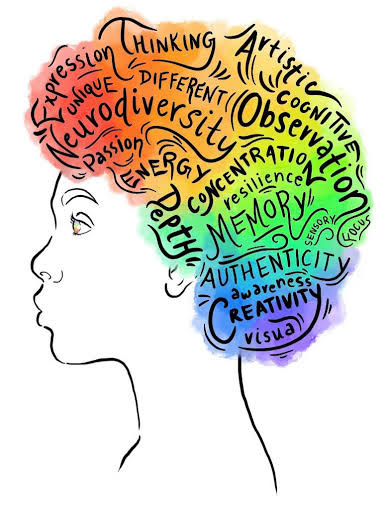
Did you know that in a class of 20 students, 4 or 5 people will have learning differences?
Joining a class of 20 or more fellow students is a time for making friends and learning about each other’s cultures. It can also be a time when we notice differences between ourselves and others and have questions that need answering. Being aware of neurodiversity and the differing needs of individual children can help us identify needs in our own kiddos and also help us to become good allies for other students and their families.
What is Neurodiversity?
Neurodiversity covers an array of different realities including Autism, ADHD, dyslexia, sensory processing and executive functioning issues and more. It can impact a child’s ability to understand or complete school work, experience their environment in a calm way and even make and sustain friendships.
Having one of these lifelong conditions brings many strengths as well as difficulties. Diversity can bring with it creativity, focus and out-of-the-box thinking and often only becomes a problem when the environment places restrictions on this type of thinking. For example, a rigid school schedule or a loud, bright work space can bring about stress, anxiety and behaviors other people may find problematic or ‘wrong’.
Making small changes to the environment to make it more welcoming to those who think and learn differently, as well as keeping an open mind about why children may be behaving in a certain way, can make a huge difference. Please keep this in mind if you or your child notice a classmate having a bad day- ask yourself why is someone behaving in this way, instead of simply labeling them as ‘misbehaving’.
How does it feel?
Being part of a neurodiverse community can bring with it feelings of anxiety and social exclusion that stem from misunderstanding by neurotypical people. Imagine if you never feel like you quite fit in, are ignored by your peers or find it hard to join in with the usual schoolyard games of your classmates. For a child, this continual social anxiety can feel very undermining and confusing. We urge all parents and students to show understanding and patience to classmates. Making an effort to include friends in games and at the lunch table can make all the difference and is something we can all do to help! Please talk to your kiddos about including classmates in group activities- it really can make a friend’s day!
If you are concerned your child may be dyslexic, be on the Autism Spectrum, have ADHD or some other learning difference, you are not alone. Thornhill has many resources that can help. You can reach out to your class teacher, Principal Scott or the Neurodiverse Students and Families Group for guidance and support. You can also access a helpful list of local resources here.
Contact Ashley Serra on Konstella for information on how to join the Neurodiverse Students and Families Group network. You can also join our next Zoom meeting, Thursday, November 5th @6:00pm:
Join Zoom Meeting
https://us06web.zoom.us/j/
Meeting ID: 810 5917 2092
Passcode: 509039
Thank you!